
What is the Importance of Turkish Halva in Turkish Cuisine?
How Should Turkish Halva Be Served?
Turkish Halva (Türk Helvası) is more than just a dessert in Turkish cuisine; it is also a cultural symbol. The preparation of helva, especially during weddings, holidays, religious days, and funerals, showcases the dessert's place in traditional Turkish life. Making Turkish Halva reminds people of the culture of gathering and sharing. The act of family members and neighbors making helva together creates a strong social bond in Turkish society. Helva was historically considered a symbol of mutual aid and friendship. In various villages, the tradition of cooking helva for funerals and distributing it to neighbors is still kept alive. You can visit the web address https://www.grandbazaarinturkey.com/product-category/turkish-halva/ to see the varieties of Turkish Halva (Türk Helvası).
What Drinks are Ideal with Turkish Halva?
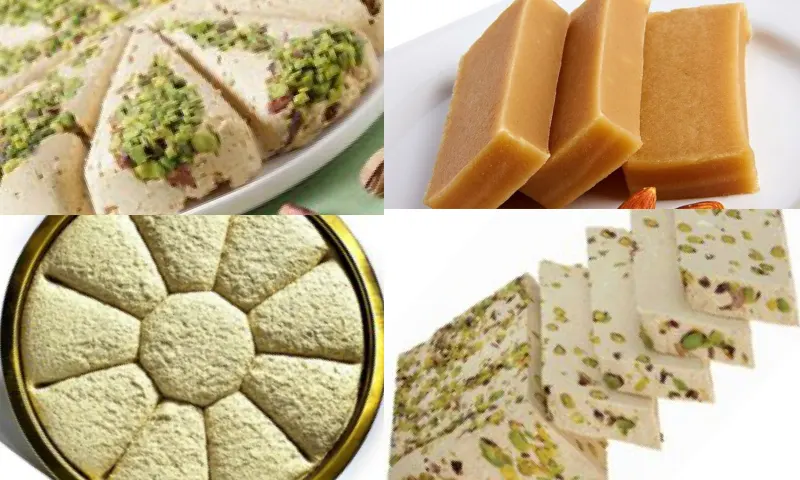
Although Turkish Halva has different serving methods for each variety, it can be served hot or cold. Varieties like semolina helva and flour helva are served hot after cooking. Ingredients such as cinnamon or crushed walnuts can be added on top of these helvas served on a plate. On the other hand, helvas with a denser consistency, such as tahini helva, are sliced and served cold. Helva is served with a drink. If the helva is served hot, drinks like a cup of Turkish coffee or ayran are ideal. Helva can be enhanced with ice cream or fruit. Since Turkish Halva offers a rich and heavy flavor as much as it is sweet, it is served with light drinks rather than heavy ones. The most popular of these drinks is Turkish coffee. The strong and bitter taste of Turkish coffee balances the sweetness of the helva, creating a delicious harmony. Ayran also goes very well with helva. The acidic nature of yogurt creates a beautiful contrast with the sweet and oily texture of the helva. Besides these, white tea or tea are also compatible drinks with helva.





