High-Speed Document Flow and Mechanical Efficiency in Photocopier Integration
Duplex Printing and Paper Saving Protocols in Photocopier Hardware
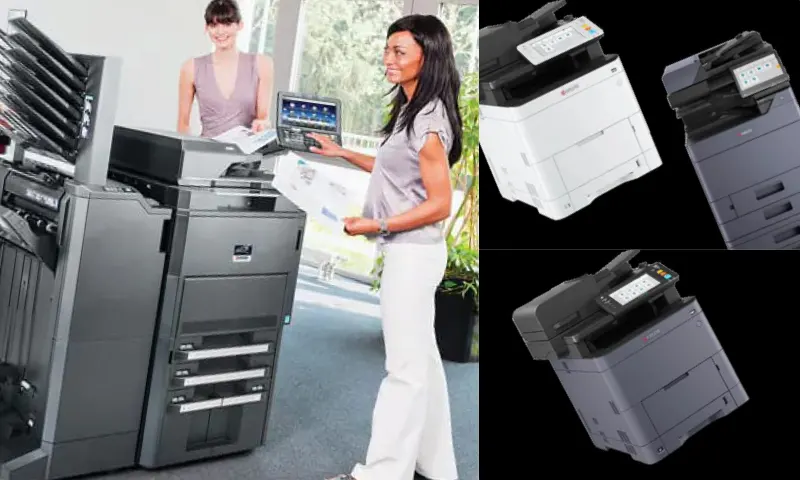
The uninterrupted continuation of workflow in large-scale office structures is directly dependent on the mechanical response speed and paper processing capacity of the hardware used in the documentation center. The https://www.adaburo.com.tr/ platform, which provides end-to-end infrastructure support to institutions in the field of office automation, reveals that hardware stability is a critical success factor in high-workload centers. The most fundamental technical factor to consider when purchasing or leasing a photocopier is not only the number of pages the device produces per minute, but also the transition speed offered by the automatic duplex document feeder (DP/DADF). When complex tender files, technical specifications, or customs declarations numbering hundreds of pages need to be scanned and duplicated in a single pass, jams in devices with weak paper paths can lead to serious time losses. Advanced roller mechanisms and static electricity-preventing cassette structures ensure the smooth progress of papers with different grammages, thereby maximizing operational efficiency. Actual field applications prove that devices with mechanically robust body structures perfectly coordinate inter-departmental operations without disrupting the pace of work during intense working hours.
Consolidating Peripherals at a Single Point with Photocopier Solutions and Space Saving
The increasing prominence of environmental awareness and corporate sustainability principles in the business world has necessitated the reorganization of physical consumption habits in workspaces. While uncontrolled paper usage in daily workflows imposes unnecessary additional costs on the company budget, it also increases the damage to the environment. A photocopier supported by advanced documentation software directly reduces paper consumption by half by setting users' printing preferences to the duplex mode as standard. Furthermore, the ability to automatically detect and skip blank pages prevents extra copies from being made in case of erroneous or incomplete documents. Industry references show that paper consumption across the company has decreased by forty percent thanks to the print rules actively enabled by department managers through the system. This conscious hardware management adapts operational processes to a greener working model while providing significant savings in corporate expenditures. The separate positioning of different devices such as scanners, printers, and faxes in intra-office operations creates significant clutter in the workspace and also means separate maintenance, cabling, and electricity consumption for each device. A multifunction photocopier that combines all these requirements into a single console creates a spacious and organized layout in the office architecture. Thanks to the modular structure of the device, finishing units such as stapling, folding, or booklet creation can be integrated into the hardware; thus, professional company documents can be prepared without the need for external printing services. When real-world business scenarios are examined, it is observed that transforming independent devices into a single central station completely alleviates the burden of fault tracking per device. According to field experience, this centralized approach, which optimizes space management, reduces maintenance costs while maximizing office productivity by allowing personnel to manage all document operations from a single point.