
The Emergence and Characteristics of Ancient Civilizations
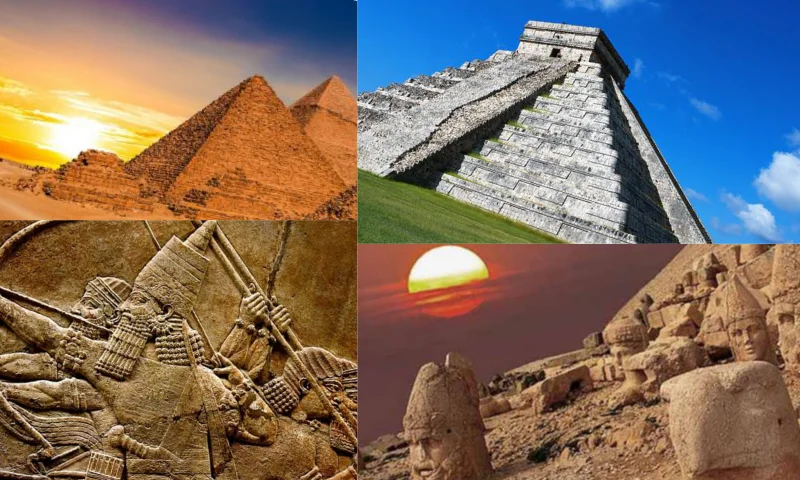
Ancient civilizations are societies that span from prehistoric times to the present and have played a significant role in human history. These civilizations emerged in various regions and attracted attention with their unique cultures, political structures, and technological developments. Examples include Egyptian, Mesopotamian, Greek, Roman, and Inca civilizations. Ancient civilizations made significant advancements in areas such as agriculture, architecture, art, trade, and science. For information on this subject and to ask your curious questions, you can look at the relevant online companies on internet pages and examine them in detail from here.
The Artistic and Architectural Heritage of Ancient Civilizations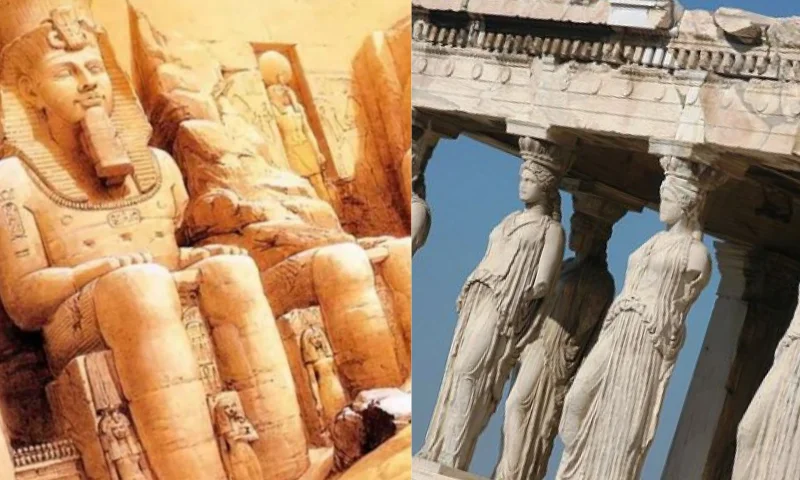
The art and architectural heritage of ancient civilizations still evokes admiration today. These civilizations produced many important works such as impressive temples, palaces, sculptures, and frescoes. The pyramids and sphinxes in Egypt, the Parthenon temple in Greece, the Colosseum in Rome, and Machu Picchu in the Inca Empire are magnificent architectural examples of ancient civilizations. Great achievements were also made in art; various art forms such as sculpture, painting, ceramics, and mosaics were developed.
- Egyptian Civilization: From Pyramids to Pharaohs"
- The Egyptian Civilization is one of the oldest and most impressive civilizations in history. Located in the fertile lands of the Nile River, Egypt is known for its pyramids, temples, and fascinating mythology. Pharaohs were the center of political and religious authority in this civilization. The Egyptian Civilization made significant advancements in mummification, hieroglyphic writing, and mathematics.
- Ancient Greek Civilization: The Birth of Democracy and Philosophy
- The Ancient Greek Civilization is a civilization that laid the foundation of Western civilization. The city-states in Greece gained fame as places where democratic forms of government and philosophical thought emerged. They also achieved great success in art forms such as sports events, theater, sculpture, and architecture. Famous philosophers, such as Plato, Aristotle, and Socrates, also emerged during this period.
- Roman Empire: Rise, Expansion, and Legacy
- The Roman Empire is one of the largest and most influential empires in history. Rome initially emerged as a small city-state, and then conquered Italy, the Mediterranean, and a large part of Europe. Rome is known for its legal system, infrastructure projects, and military prowess. Many cultural legacies, such as the Latin alphabet, architectural styles, and Roman law, have survived to the present day.





