
Aquarium Setup and Water Quality
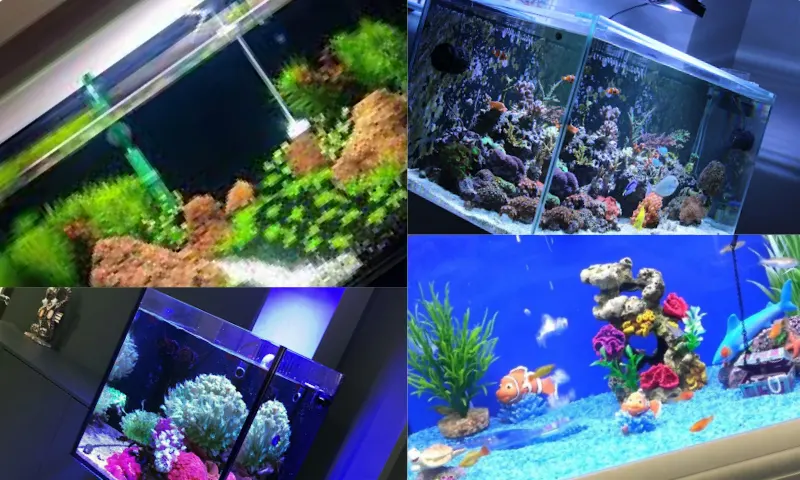
Aquarium fish keeping begins with proper setup and ensuring water quality. The first step is to determine the size and shape of the aquarium. A 20-30 liter aquarium may be sufficient for small fish, while larger aquariums may be needed for larger fish species. The location where the aquarium will be placed is also important; a place that does not receive direct sunlight and has a stable temperature should be preferred. Water quality is critical for the health of the fish. Aquarium water is usually obtained from tap water, but it needs to be rested or treated with appropriate chemicals to remove harmful substances such as chlorine and heavy metals. It is important that the pH level and water hardness are suitable for the fish species, and that ammonia, nitrite, and nitrate levels are regularly checked. Also, the water temperature should be adjusted according to the fish species and kept stable. It is possible to constantly monitor the water temperature using a heater and thermometer. You can look at related online companies on web pages for information on this subject and to ask your questions, and you can review it in detail from here.
Fish Species and Feeding
Fish species to be kept in the aquarium should be selected according to water conditions and aquarium size. Tropical fish generally live at temperatures between 24-28°C, while cold-water fish can live at lower temperatures. The compatibility of fish species with each other is also important; some species are peaceful, while others can be aggressive, which can cause unrest in the aquarium. Feeding fish is another important point to consider. Different fish species have different dietary needs. Some fish are carnivorous, while others are herbivorous or omnivorous. A balanced diet program should be created for the fish to stay healthy. There are various fish foods on the market; such as flake food, pellet food, frozen food, and live food. The amount and frequency of food given to the fish are also important; overfeeding can degrade water quality and lead to health problems in fish.
Aquarium Maintenance and Cleaning
Aquarium cleanliness and regular maintenance are essential for fish to stay healthy. Waste materials that accumulate in the aquarium over time can degrade water quality and negatively affect the health of the fish. Therefore, aquarium water should be partially changed weekly; usually, changing 20-30% of the aquarium's water is sufficient. This process keeps the water clean and prevents the accumulation of harmful substances. The filter system is also important for aquarium cleanliness. The filter cleans the water mechanically, chemically, and biologically. Filter materials should be regularly checked and replaced if necessary. In addition, aquarium glass, plants, and decoration materials should also be cleaned. Magnetic cleaners can be used to prevent algae growth on the glass. Another important aspect of aquarium maintenance is health checks of the fish. The behavior and appearance of the fish should be regularly observed, and signs of disease should be detected early. Sick fish should be removed from the aquarium, placed in a quarantine tank, and the necessary treatment should be applied. Keeping fish in an aquarium requires correct information and regular maintenance. By carefully following these steps, you can create an aquarium with healthy and happy fish.





