
Frequently Asked Questions About Rat Poison
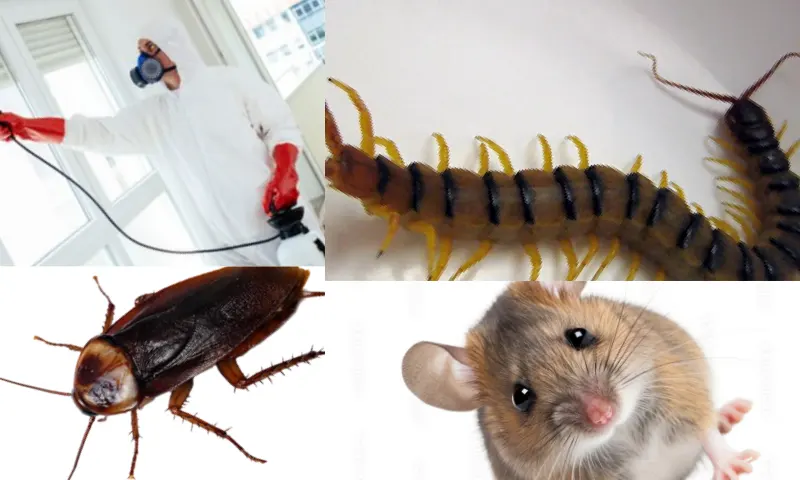
What Safety Precautions Should Be Taken When Using Rat Poison?
Rat poison works by entering the digestive system of rats and causing lethal effects. You can visit to purchase rat poison. These poisons typically contain anticoagulants, acute toxins, or natural ingredients. Anticoagulant poisons prevent rat blood from clotting, leading to internal bleeding and their death within a few days. Acute toxins, on the other hand, rapidly affect the rat's nervous system or metabolism, causing them to die within a few hours. Natural ingredients work by disrupting the rat's digestive system or causing dehydration. One of the most important issues to consider when using rat poison is safety precautions. These poisons can be dangerous to humans and pets, so careful use is necessary. Firstly, it is important to place the poison in areas inaccessible to children and pets. Wearing gloves, a mask, and protective clothing when applying the poison helps prevent skin contact and inhalation. Ensuring good ventilation in areas where poison is applied and washing hands thoroughly after application are also important safety steps.
What are the Ethical Issues Related to the Use of Rat Poison?
The use of rat poison can lead to environmental and ethical issues. Chemical rat poisons can affect not only the targeted rats but also other wildlife and even pets. The deaths of poisoned rats can lead to secondary poisoning when consumed by predators or pets. It is important to act responsibly when using rat poison. These risks can be reduced by choosing natural and environmentally friendly poisons. Proper disposal of poison residues is critical to prevent environmental pollution. From an ethical standpoint, it is also important to assess whether the use of poison is necessary and to use harmless alternative methods if possible.





