
How Does the Delivery Process Work in Partial Transport?
Does Partial Transport Provide a Cost Advantage?
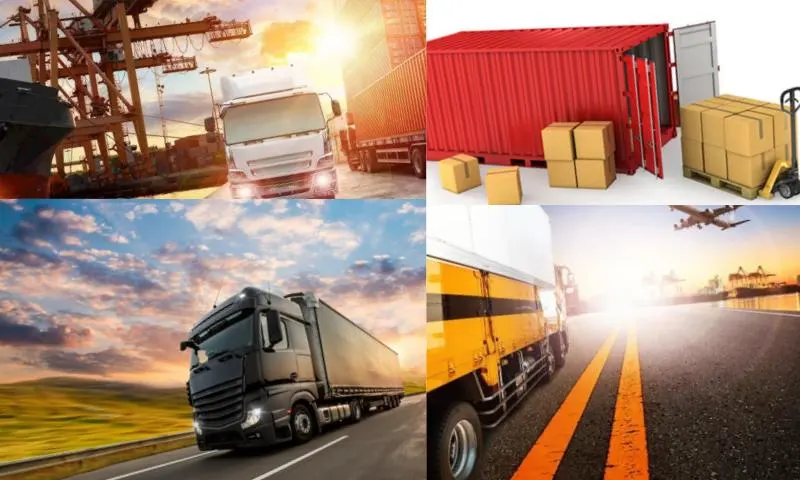
In partial transport, the delivery process proceeds in a slightly more planned and organized manner. First, goods from different companies are collected in a warehouse and sorted according to a specific route. Then, the vehicle is loaded, and the goods are delivered to the relevant recipients by stopping at delivery points according to the predetermined route. Timing is crucial in this process because any disruption during loading or unloading can affect the entire route plan. For this reason, logistics companies monitor shipments in real-time using digital systems and intervene when necessary. For more detailed information about partial transport, you can visit the web address https://www.nasainternational.com.tr/hizmet-detay/parsiyel-nakliye.
How Are Goods Planned in Partial Transport?
One of the biggest advantages of partial transport is cost savings. This is because basic expenses such as vehicle cost, fuel costs, and driver fees are shared among multiple customers. This significantly reduces costs, especially for small volume shipments. In full transport, all these expenses are charged to a single customer, making it more expensive. In some cases, partial transport also eliminates storage costs because goods can be dispatched more quickly. One of the most important stages in partial transport is load planning. Because goods from different companies are transported in a single vehicle, proper organization is necessary. First, a suitable vehicle is selected considering the quantity, dimensions, weight, and delivery points of the goods. Then, the loading order is determined. The goods to be delivered last are placed in the vehicle first. This makes it easier to unload goods at each stop. If there are fragile, sensitive, or temperature-sensitive products, care is taken to transport these products under special conditions. Such planning is vital for both cargo safety and time management.





