
What Does a Heat Exchanger Gasket Do?
Function of the Heat Exchanger Gasket
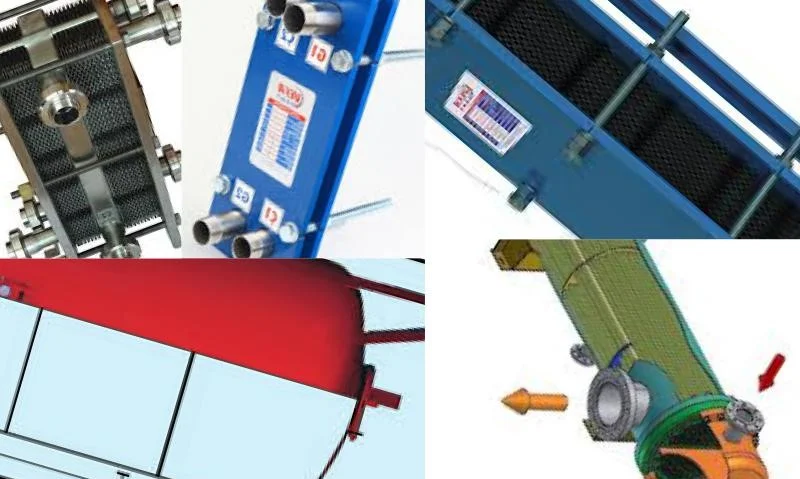
Heat exchangers are structures that provide heat transfer between two fluids. As the fluid with high temperature transfers its heat to the fluid with low temperature, the fluids encounter a solid surface. The main component elements of these heat-transferring surfaces are gaskets. Heat exchanger gaskets serve to prevent the fluids from mixing with each other. Fluids move towards the plates from the connection points in the heat exchanger body. The moving fluids are directed by means of gaskets. For this task to be performed correctly, it is necessary to use a heat exchanger gasket made of the right material and in the right size. You can contact our company about this matter at . Let us also mention that there are types where fluids come into direct contact.
Selection of the Heat Exchanger Gasket
The heat exchanger gasket is designed so that fluids move towards the plates from the connection points in the heat exchanger body. The heat exchanger gasket directs the fluids towards the plates. Each fluid plate has two plates on its sides. The fluids move between the plates on the sides through the gaskets. While the front of one plate comes into contact with fluid A, the other side comes into contact with fluid B. These two fluids never mix and never move in the same plate gap. This structure is provided by plate gaskets. Heat exchanger gaskets are materials selected according to the types of heat exchangers. Plate heat exchanger gaskets are one of the most important materials in plate heat exchangers. At this point, choosing the right plate heat gasket is of great importance. In plate heat exchangers, rubber gaskets are generally chosen. The function of the rubber gasket is to ensure sealing. It also prevents fluid passage between the plates. This process is of vital importance in heat exchangers.





