
What is a Recycling Project?
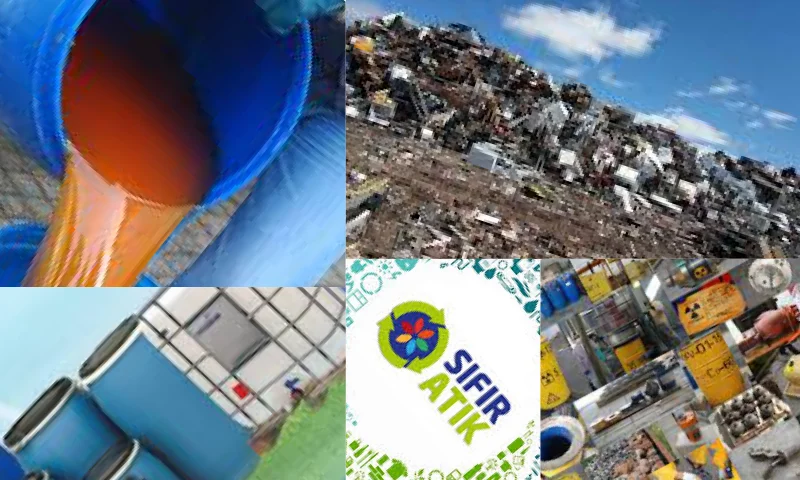
Benefits of Recycling
Humans produce tons of waste daily through their activities, both in production and consumption phases. Leaving this waste haphazardly in nature leads to environmental pollution as well as the depletion of natural resources. Waste does not stop there; it destroys living spaces and threatens the lives of all kinds of creatures, such as humans, plants, and animals. Recycling is the process of collecting recyclable or recoverable waste and subjecting it to various chemical, physical, and biochemical applications. Within the scope of a recycling project, waste is collected at its source according to its type and evaluated in recycling facilities. You can get information from companies on related websites.
Types of Scrap to be Recycled
Ensuring that consumed materials are evaluated within the recycling project allows these materials to be reused as raw materials. Many sectors have a high demand for raw materials and obtain this demand from natural resources. The more waste that can be recovered or recycled as raw material is brought into the recycling loop, the fewer natural resources will be used. The reuse of waste as raw material saves energy. It is a huge resource for the country's economy. For example, the energy spent to turn scrap aluminum into a reusable raw material through recycling is less than the energy spent to extract aluminum from ore. One of the most important legs of the recycling loop is the scrap industry. Thanks to this sector, which ensures the collection of waste from metals such as iron, aluminum, lead, steel, and copper, a large part of the raw material need arising from production is met.





