
ALS Disease
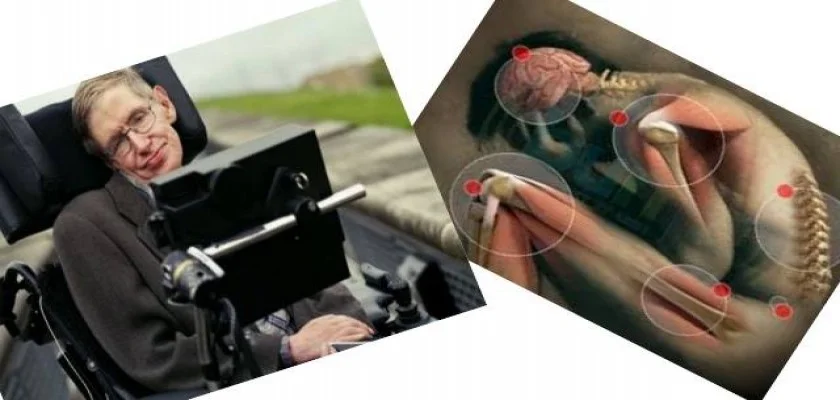
What is ALS
ALS (amyotrophic lateral sclerosis) is a progressive nervous system disease. This disease, which affects the motor nervous system, gradually begins to hinder muscle movements. In later stages, the disease affects the lower and upper motor systems, leading to paralysis in patients. The exact cause of the disease is unknown. The disease may go unnoticed initially as it does not present many symptoms. The disease, which begins with weakness in the arm and leg muscles, is noticed when it starts to affect speech, chewing, and breathing. As the muscles are not stimulated by the motor nervous system, the muscle structure gradually deteriorates.
Symptoms of ALS Disease
Thinning, twitching, and cramps, especially noticeable in the leg and arm muscles, are typical symptoms of the disease. Patients may experience involuntary laughter and crying. Patients cannot use their arms and legs as they wish. ALS, which affects both upper and lower motor neurons, is also known as muscle atrophy among the public. At the onset of the disease, muscle weakness begins in a specific muscle group and gradually spreads to all muscles over time. The heart muscle is not affected by the disease. The eye muscle is the last muscle group affected in the body. It is not a contagious disease, but it can be hereditary in those with a family history of ALS.





