
HOW DO LIVER CANCER SYMPTOMS MANIFEST?
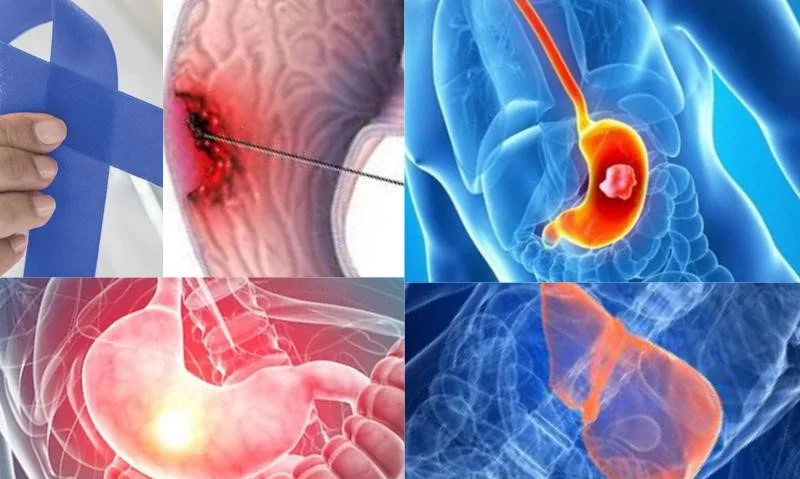
The Onset of Liver Cancer
Malignant tumors originating from the liver's own tissue cause liver cancer. This condition, which negatively affects the person's quality of life and threatens their life, can lead to the person's death within 1 year if left untreated. The liver, located just above the stomach, below the diaphragm, and in the upper right part of the abdominal cavity, is of great importance to the body. The absence of this organ, which is about the size of a football, is equivalent to the end of a person's life. A person with liver cancer has an increased risk of developing other cancers. It is recommended that individuals, especially those in the risk group, seek support from specialists and begin treatment immediately. To cope with such situations, it is essential for individuals not to neglect routine health check-ups.
Symptoms Seen in Advanced Stages of the Disease
The onset of liver cancer occurs with the appearance of malignant tumors. This condition, which is more common in men than in women, is fundamentally divided into two types. The first is cancer originating from liver cells. The other is metastatic liver cancers, which begin when tumors spread to the liver from other organs such as the large intestine and breast. This insidiously progressing disease may not show symptoms in its early stages. If physical symptoms appear in the advanced stages, a great effort is required for the person to regain their former health. Therefore, it is important not to neglect regular health check-ups for early diagnosis and treatment. In the advanced stages of the disease, symptoms such as involuntary weight loss, weakness and fatigue, white, light-colored stool and dark-colored urine, decreased appetite, nausea and vomiting, yellowing of the skin and whites of the eyes, abdominal pain, and swelling in the upper right quadrant may occur. If you experience symptoms of liver cancer, which can affect individuals of all ages, you should consult your doctor immediately. If the condition is amenable to surgical intervention, procedures can be performed rapidly. Those struggling with aflatoxins, chemicals; nitrites, hydrocarbons, solvents, cirrhosis, hemochromatosis, Wilson's disease, glycogen storage disease, genetic congenital, and metabolic diseases are in the risk group.





