
What is Physical Therapy and Its Basic Principles
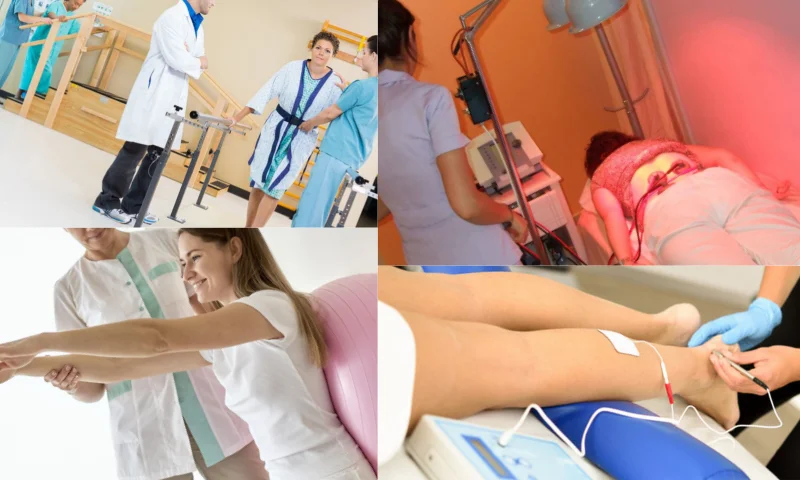
Physical therapy is a rehabilitation process that uses physical methods to treat or improve diseases, injuries, and physical disorders. Physical therapists determine patients' needs by conducting physical evaluations and create treatment plans. The basic principles of physical therapy include reducing pain, improving movement, increasing strength and endurance, restoring functions, and enhancing quality of life. To achieve these goals, therapists use various methods such as exercises, manual therapy, electrotherapy, ultrasound, and hot-cold therapy. For information on this subject and to ask your questions, you can check relevant online companies on internet pages and review them in detail from here.
Areas of Application and Benefits of Physical Therapy
Physical therapy can be effective in treating a wide range of health problems. It is used in many areas such as musculoskeletal disorders, sports injuries, neurological disorders, respiratory problems, cardiovascular diseases, and chronic pain. Individuals with musculoskeletal disorders can reduce pain, increase muscle strength, and regain flexibility through physical therapy. Physical therapy plays an important role in the rehabilitation of athletes recovering from sports injuries and provides a rapid healing process. In cases of neurological disorders, such as stroke-induced paralysis or multiple sclerosis, physical therapy can help improve motor functions, provide balance, and increase independence in daily life activities. Physical therapy is applied to patients with respiratory problems to increase their breathing capacity and ensure respiratory control. In individuals with cardiovascular diseases, physical therapy supports heart health as part of cardiac rehabilitation programs and increases exercise capacity. Physical therapy can also be an effective treatment option for individuals with chronic pain.





