
What is Psoriasis?
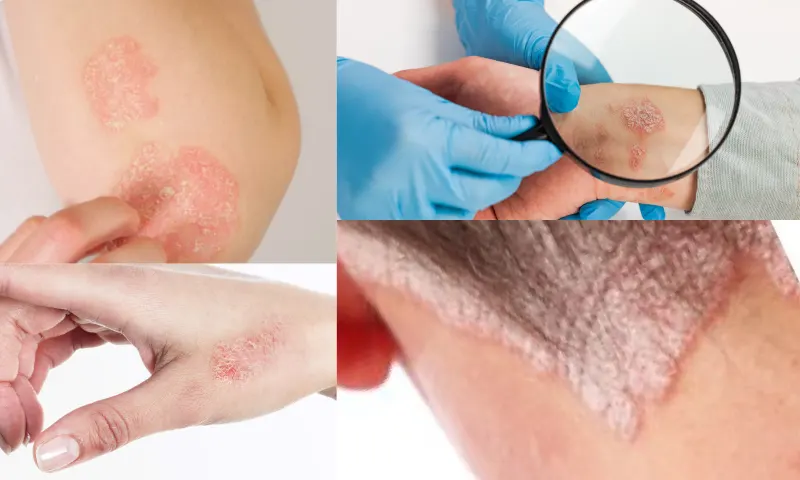
Psoriasis, medically known as psoriasis, is a chronic and inflammatory skin disease. Due to the acceleration of the skin's self-renewal process, red, scaly, and itchy plaques form on the skin surface. Although most commonly seen in areas such as elbows, knees, scalp, and back, it can affect the entire body. The disease is not contagious but is closely related to genetic factors and the immune system. Psoriasis usually progresses in flares; stress, infections, alcohol consumption, and certain medications can trigger these flares. This disease, which can occur at any age, can negatively affect the quality of life of patients due to aesthetic concerns and physical discomfort. For information on this subject and to ask questions you are curious about, you can look at the relevant online firms on internet pages and examine them in detail from here.
Symptoms and Types of Psoriasis
The most prominent symptom of psoriasis is raised, reddish plaques on the skin surface covered with silver-colored scales. These plaques can be itchy and painful. There are different types of psoriasis:
- Plaque psoriasis (Psoriasis vulgaris): This is the most common type and is usually characterized by thick plaques.
- Guttate psoriasis: Common in young people, characterized by small, spot-like lesions.
- Inverse psoriasis: Usually seen in folded areas such as the armpits, groin, and under the breasts.
- Pustular psoriasis: Characterized by inflammatory blisters and redness.
- Erythrodermic psoriasis: A severe and rare form affecting a large part of the skin.
The symptoms of this disease can be mild, or in some cases, it can lead to serious complications. Psoriatic arthritis, which affects the joints, can cause permanent damage if left untreated.
Treatment Methods for Psoriasis
Although there is no definitive cure for psoriasis, it is possible to alleviate symptoms and control the course of the disease. The treatment plan varies according to the severity and type of the disease and the patient's lifestyle:
- Topical Treatments: Corticosteroid creams, vitamin D analogs, and moisturizers are effective in reducing plaques.
- Phototherapy: Ultraviolet light therapy can slow down the growth of skin cells.
- Systemic Treatments: Medications taken orally or by injection regulate the immune system and alleviate symptoms.
- Lifestyle Changes: Managing stress, eating a healthy diet, and avoiding smoking and alcohol are important in controlling the disease.
Early diagnosis and appropriate treatment can improve the quality of life of patients. Regular follow-up with dermatology specialists and individualized treatment plans make it easier to cope with psoriasis.





