
What is Shingles and Why Does it Occur?
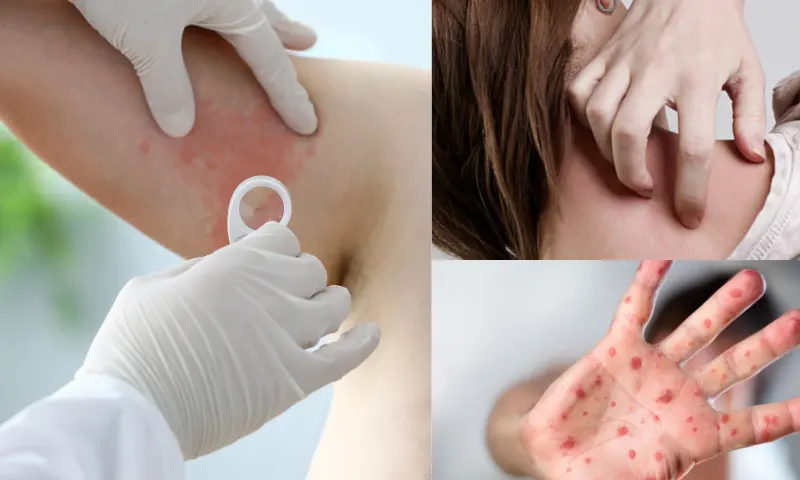
Shingles, also known as herpes zoster, is an infection caused by the varicella-zoster virus. This virus goes into a dormant state in the nerve roots after chickenpox (varicella) during childhood and later triggers shingles through reactivation. Shingles is generally seen in middle-aged and older individuals, but it can occur in any age group. The infection usually appears as painful rashes and blisters in a specific area called a dermatome.
Shingles Symptoms and Diagnosis
Shingles disease typically begins with unilateral pain, burning, itching, and tenderness on one side of the body. These symptoms are followed by the development of red blisters and rashes on the skin within a few days. The rashes usually turn into fluid-filled blisters, which eventually form scabs. The diagnosis of shingles is usually based on clinical symptoms and the patient's history of chickenpox. However, laboratory tests and imaging studies may also be used.
Shingles Treatment and Complications
The treatment for shingles generally includes antiviral medications, pain relievers, and anti-inflammatory drugs. Antiviral medications can reduce the severity of the disease and lower the risk of complications. Pain relievers can help the patient manage pain. However, shingles treatment is more effective if started in the early stages of the disease. The most common complication of shingles infection is a painful condition called postherpetic neuralgia, which can last for months or years after the infection heals. Other complications may include permanent scars on the eyes, nervous system, and skin. Shingles disease is an infection caused by the varicella-zoster virus and usually occurs in individuals who have had chickenpox. The symptoms of this disease manifest as painful rashes and blisters. Early diagnosis and treatment can reduce the severity of the disease and lower the risk of complications. However, shingles disease can sometimes lead to long-term complications such as postherpetic neuralgia, so close monitoring of the patient during the treatment process is important.





