
Ways to Minimize Snoring and Sleep Better
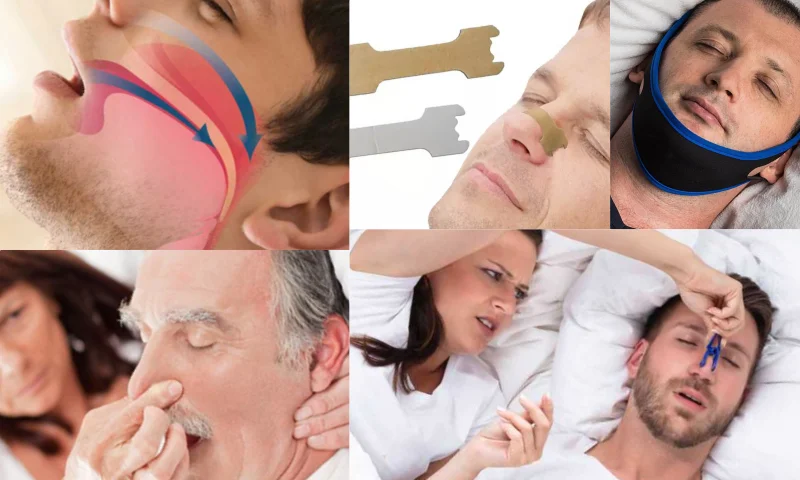
Loud snoring can be annoying for both the snorer and the sleeper. Snoring occurs when airflow is blocked or when the muscles in your airway relax and slowly collapse during sleep, narrowing the passage. It often occurs when lying on your back. Snoring can be a sign of obstructive sleep apnea, a potentially serious condition where breathing starts and stops during sleep. You can find relevant online companies on the internet to get information on this topic and ask your questions, and review them in detail.

What are the Harms of Snoring?
Although snoring is usually harmless, it is important to minimize noise and improve your sleep quality. If you snore loudly, your snoring may prevent you from getting the deep, restorative sleep you need.
What You Can Do to Stop Snoring
Lose Weight If You Are Overweight: Losing weight has many benefits for your health. If you are overweight, you face high blood pressure, type 2 diabetes, heart disease, and sleep apnea. Losing weight will help you overcome these health problems. If you are overweight, losing weight will help you sleep better. Many sleep experts recommend losing weight if you are obese to help you stop snoring.
Sleep on Your Side: When you sleep, your throat muscles relax, which can cause them to vibrate and make a sound similar to what people hear when they snore. So what can help a person who snores snore less? Sleeping on your side to help reduce the vibrations of your throat muscles is one of the best tips to help you stop snoring.
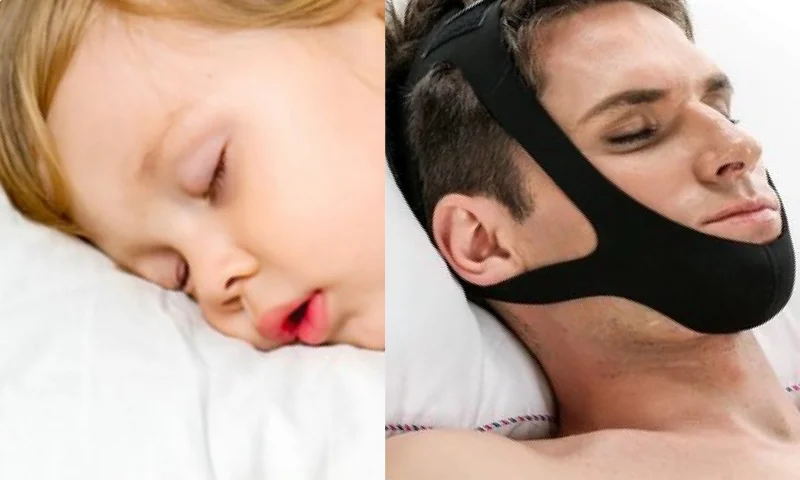
Use Chin Straps or Nasal Strips: A chin strap is a piece of equipment that fits over the person's head and has two straps that help them sleep more easily. The straps are usually made of breathable fabric, which helps to cool their skin while sleeping. They help prevent snoring by helping them keep their mouths closed and breathe through their noses.
Treat Chronic Allergies: One of the main causes of snoring is a blocked or runny nose. Snoring medications include allergy medications that help you breathe better at night. They help reduce snoring and help you sleep better. However, saline sprays help moisturize and clear your nose and sinuses. They allow you to open the passages in your nose and throat that may be causing your snoring.
Avoid Taking Sedatives Before Bed: Many people take sedatives to help them sleep better at night. Sedatives help by slowing down your heart rate and breathing. Another problem with sedatives is that they leave a chemical residue in your body that can cause or worsen snoring.





