
The Origin of Tile Painting Art
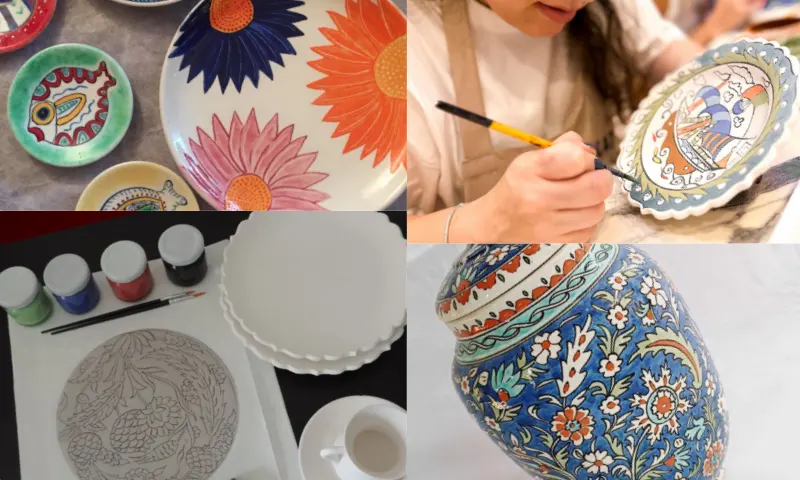
Tile painting is a traditional decorative art that has held an important place in Turkish and Islamic arts for centuries. Tiles, frequently used in architectural structures, particularly during the Seljuk and Ottoman periods, adorned the walls of mosques, türbes, and palaces. The primary aim of this art is to give ceramic surfaces an aesthetic appearance with designs, motifs, and colors. Floral motifs such as tulips, carnations, and roses, geometric patterns, and writings combined with calligraphy are frequently preferred in tile painting. İznik and Kütahya are known as the most important centers of tile art in Turkey. For information on this subject and to ask your questions, you can browse relevant online companies on web pages and review them in detail from there.
How is Tile Painting Done?
Tile painting is a multi-stage process that requires patience and attention. First, a surface such as a tile plate or dish is selected. Then, the design is drawn onto the tile surface using a special transfer method. These designs are usually based on traditional motifs. Afterwards, the designs are painted with special tile paints. The colors are carefully filled in with the help of a brush. Among the most common colors are blue, red, green, and turquoise. After the painting is completed, the tile is fired at a high temperature to ensure the permanence of the colors and to brighten the surface. At the end of these stages, the artwork becomes both durable and visually striking.
Benefits of Tile Painting as a Hobby
In recent years, tile painting has gained interest not only as an artistic activity but also as a relaxing hobby. Working with colors and meticulously crafting motifs relaxes the mind and reduces stress. It also improves hand-eye coordination and fosters patience. Through tile painting courses offered in hobby workshops, anyone interested in this art can learn the basic techniques. This hobby, which can also be done at home, allows for the creation of decorative products and is a special way to connect with cultural heritage.





