
The History of Dice and Their Place in Games
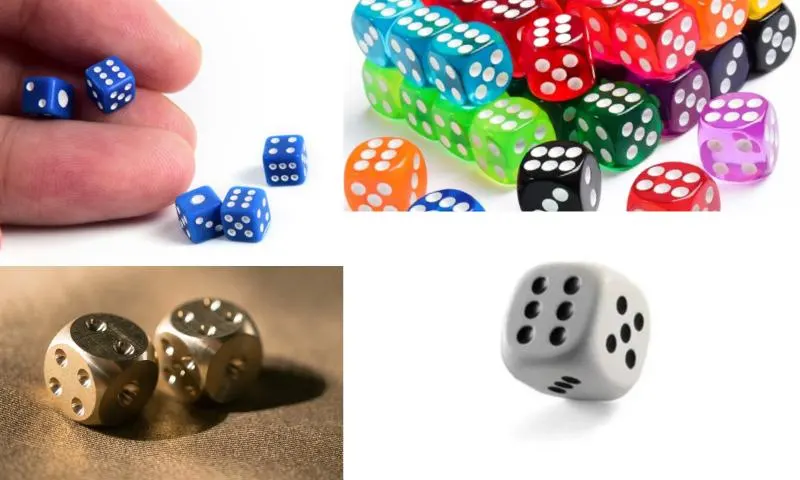
Dice have been an indispensable part of luck and game culture for centuries. Throughout history, many civilizations have used dice for different purposes. The earliest examples of dice date back about 5,000 years to the civilizations of Mesopotamia and Egypt. At that time, dice were used not only in games but also for divination. Today, dice are one of the fundamental tools for both board games and various games of chance. Dice usage is particularly common in games like backgammon, Monopoly, and Yahtzee. While adding an element of chance to games, dice also create excitement and surprise. For information on this topic and to ask your burning questions, you can explore relevant online firms on web pages and conduct a detailed review there.
Structure and Types of Dice
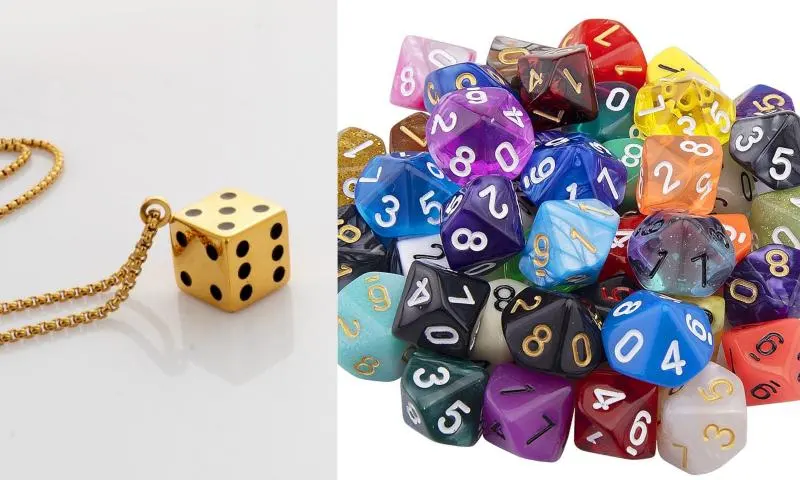
Traditionally, the most well-known and used type is the cube-shaped dice with six faces. Each face of these dice has dots ranging from 1 to 6. However, the variety of dice is not limited to this. Dice with 4, 8, 10, 12, and 20 faces are also preferred, especially in role-playing games (RPG). The material for dice is usually plastic or wood, but dice made from metal and other special materials are also available. The arrangement and shape of the dots on the faces of the dice are crucial for a balanced and fair roll. Flawed or unbalanced dice can affect the outcome and create unfairness in games. The physical structure of the dice and the way they are rolled are carefully selected and used as they directly impact the game's outcome.
The Psychology of Rolling Dice and the Perception of Luck
Although rolling dice may seem entirely based on luck, for many, it is also a source of excitement and stress. In dice rolls, people instinctively have expectations of winning or losing. Some develop specific rituals or habits when rolling dice; for example, rolling in a certain way or hitting the dice on the same spot. Psychologically, rolling dice represents surrendering to a situation beyond one's control, which triggers people's risk-taking tendencies. The concept of luck is very strong in dice games because the outcome is completely random. Therefore, dice have become a symbol of games of chance. In our daily lives, sometimes rolling dice to make a decision means "leaving fate to chance." Dice are not only a game tool with a rich history stretching from the past to the present but also one of the cornerstones of modern game culture. With its structure, variety, and psychological effects, dice are not just a game tool but also a special object symbolizing people's relationship with luck and fate. If you love playing games, delving into the exciting world of dice will always be enjoyable!





